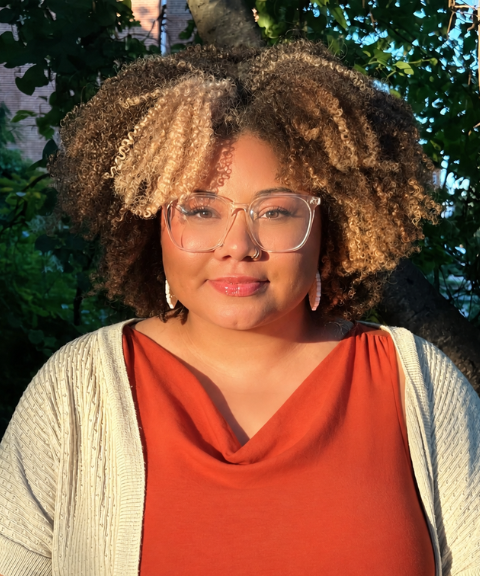
Coming out to immigrant parents can feel complicated when you’re caught between wanting to live as your authentic self and fearing that honesty could cost you your family’s love, acceptance, or support. Cultural expectations, religious beliefs, generational differences, and the pressure to honor everything your family has sacrificed can make it feel like you’re being asked to choose between who you are and where you come from. You don’t owe anyone a coming-out story before you’re ready, and protecting your peace, safety, or stability doesn’t make your identity any less valid.
Key Takeaways
- You don’t have to come out to your immigrant parents before you feel emotionally and physically safe.
- Cultural expectations and generational differences can complicate conversations about LGBTQ+ identity.
- Feeling guilty about disappointing your family doesn’t mean you’re doing something wrong.
- Family acceptance can take time, and you can establish boundaries while leaving room for connection.
- Culturally affirming therapy can help you navigate identity, family relationships, and belonging.
Table of Contents
- How Can I Tell If It’s Safe to Come Out to My Immigrant Parents?
- What If My Parents See My Sexuality as a Rejection of Our Culture or Religion?
- How Do I Deal With the Guilt of Disappointing My Family by Coming Out?
- Can I Maintain a Relationship With My Parents If They Don’t Accept My Queer Identity?
- How Do I Find Support When I Feel Caught Between My Queer Identity and My Cultural Community?
- Frequently Asked Questions
How Can I Tell If It’s Safe to Come Out to My Immigrant Parents?
Before coming out to your immigrant parents, consider your emotional, physical, and financial safety. Wanting your family to know the real you is understandable, but you deserve to make that decision without putting your well-being at risk.
Start by considering how your parents have responded to LGBTQ+ people in the past. Have they made negative comments about queer people? Do they express strong religious or cultural objections to same-sex relationships or different gender identities? Have they demonstrated acceptance when someone close to the family shared something personal that challenged their expectations?
These reactions may offer clues about how your parents could respond, although they cannot predict the conversation with certainty.
Your living situation and financial independence also matter. If you depend on your parents for housing, tuition, healthcare, transportation, or other necessities, consider what could happen if the conversation doesn’t go as hoped. You may want to establish a backup plan before sharing your identity.
A few practical steps can help you prepare:
- Identify a safe person: Talk with a trusted friend, sibling, cousin, or supportive relative before having the conversation.
- Consider your timing: Choose a private setting when everyone has enough time to talk, and emotions are relatively calm.
- Plan for different reactions: Think about what you might say if your parents respond with questions, silence, anger, or support.
- Protect your privacy: Decide what information you’re comfortable sharing and whether you want other family members to know.
- Permit yourself to wait: You can postpone coming out until you have the emotional and practical support you need.
A 2023 peer-reviewed study published in the Journal of Family Psychology examined 9,127 sexual and gender minority youth in the United States. Researchers found that 2,444 participants, approximately 27%, had not disclosed their sexual orientation or gender identity to their parents. The findings demonstrate that disclosure is not a universal experience or a milestone everyone reaches at the same time.
Your timeline belongs to you. Coming out is a personal decision, not an obligation you owe your family or community.
What If My Parents See My Sexuality as a Rejection of Our Culture or Religion?
Your queer identity does not mean you’re rejecting your cultural heritage, family traditions, or religious background. You can honor where you come from while building a life that reflects who you are.
For some immigrant parents, cultural identity is closely connected to family structure, religious beliefs, marriage expectations, and community belonging. Parents may have grown up in environments where LGBTQ+ identities were rarely discussed openly or were viewed negatively. Their understanding of sexuality and gender may also reflect the social expectations they experienced before immigrating.
These differences can make coming out feel like more than a conversation about identity. You may worry that your parents will interpret your disclosure as rejecting their values, dismissing their sacrifices, or turning away from the community that shaped your childhood. However, your identity and your heritage do not have to compete.
You can love your family’s language, food, traditions, and history while also embracing your queer identity. You can maintain meaningful cultural connections without accepting every expectation placed on you.
If you decide to talk with your parents, it may help to explain what your identity means to you without feeling pressured to defend or justify it.
For example, you might say:
“I love our family and where we come from. Being queer doesn’t change how much I value our culture or the relationship I have with you. I want to be able to share this part of myself without feeling like I have to give up the rest of who I am.”
You can also acknowledge that your parents may need time to process what you’re sharing. Their questions or uncertainty may reflect unfamiliarity rather than an immediate decision to end the relationship. Still, you are not responsible for changing their beliefs or making your identity easier for them to accept.
How Do I Deal With the Guilt of Disappointing My Family by Coming Out?
Feeling guilty about coming out to your immigrant parents often comes from a conflict between your personal needs and the expectations you’ve learned to prioritize within your family. You may feel responsible for protecting your parents from disappointment, even when doing so means hiding an important part of yourself.
In many immigrant families, children grow up hearing about the sacrifices their parents made to create better opportunities for the next generation. Those sacrifices can create a powerful sense of responsibility to succeed, follow family expectations, and avoid bringing shame or embarrassment to the household.
When your identity challenges expectations about marriage, grandchildren, religion, or family reputation, you may feel as though you’re letting everyone down. That guilt deserves compassion, not judgment.
It’s possible to appreciate everything your parents have done while recognizing that their sacrifices do not require you to live a life that feels inauthentic. Gratitude and personal autonomy can exist together. You can love your family without making every life decision around their approval.
A few approaches may help you work through these feelings:
- Separate responsibility from guilt: Your parents’ emotional reactions are theirs to process. You are responsible for communicating honestly when you choose to, not controlling how they respond.
- Challenge inherited expectations: Ask yourself whether certain beliefs reflect your personal values or expectations you learned to follow to maintain family approval.
- Practice self-compassion: Remind yourself that having a queer identity is not a betrayal, failure, or disappointment.
- Make room for complicated emotions: You can feel love, sadness, frustration, and relief at the same time.
You may also benefit from talking with a therapist who understands the intersection of LGBTQ+ identity, cultural expectations, and family relationships. Therapy can help you recognize where guilt comes from and develop a stronger sense of self without requiring you to disconnect from your family or heritage.
Can I Maintain a Relationship With My Parents If They Don’t Accept My Queer Identity?
You may be able to maintain a relationship with your immigrant parents even if they struggle to accept your queer identity, but doing so may require boundaries, patience, and realistic expectations. You can value your family relationships without tolerating disrespect or hiding who you are to keep the peace.
Some parents need time to process their child’s coming out. Others may initially respond with rejection but become more open to understanding as they learn more about LGBTQ+ identities. However, acceptance can be complicated. A parent might express love for their child while continuing to struggle with their sexuality or gender identity, creating a relationship that feels both supportive and painful.
You can recognize your parents’ love without dismissing the impact of their words or actions. Their difficulty accepting your identity does not mean you have to minimize your feelings or make yourself smaller to preserve the relationship.
Setting boundaries can help you protect your emotional well-being while leaving room for connection. For example, you might ask your parents to respect your partner, avoid negative comments about LGBTQ+ people, or stop conversations that become hurtful. You could say, “I want to have a relationship with you, but I need you to respect who I am. We don’t have to agree about everything, but I can’t continue conversations where my identity is treated as something shameful.”
If navigating these conversations feels overwhelming, working with a culturally affirming therapist can help you explore family expectations, process feelings of rejection, and develop boundaries that reflect your needs. Melanated Women’s Health offers support through its find a queer therapist initiative, which highlights the importance of LGBTQIA+-affirming care and representation.
You also have permission to take space when family interactions become emotionally harmful. Maintaining a relationship with your parents should not require sacrificing your mental health. You can remain open to connection while recognizing that reconciliation and acceptance are not entirely within your control.
How Do I Find Support When I Feel Caught Between My Queer Identity and My Cultural Community?
Finding support can help you feel less alone when you struggle to reconcile your queer identity with the expectations of your family or cultural community. You deserve relationships where you don’t have to explain, defend, or minimize any part of yourself.
For some people, finding LGBTQ+ community feels liberating but also brings up concerns about losing cultural connections. You may worry that predominantly white queer spaces won’t understand your experiences with racism, immigration, religion, or family expectations. You might also feel uncomfortable in cultural spaces where LGBTQ+ identities are not openly accepted.
These experiences can create a sense of belonging nowhere, even when you want meaningful connections in both communities.
Building support does not have to mean choosing one community over another. Look for spaces that recognize the intersection of race, culture, sexuality, gender, and family belonging.
You might explore:
- Culturally affirming LGBTQ+ groups: Connect with people who share aspects of your cultural background and understand the challenges of navigating multiple identities.
- Trusted friends and relatives: Identify people who respect your identity and can provide emotional support without pressuring you to come out before you’re ready.
- Online communities: Explore moderated LGBTQ+ spaces where people discuss immigrant family dynamics, cultural expectations, and identity.
- Culturally responsive therapy: Work with a therapist who understands how cultural background, discrimination, family relationships, and sexuality can influence mental health.
Working with a therapist who understands these intersecting experiences can be particularly helpful. You can explore your feelings about family rejection, practice setting boundaries, and develop ways to embrace your identity without feeling disconnected from your roots.
Melanated Women’s Health also explores these experiences through its Hello, Queer Therapist initiative, which highlights the importance of affirming mental health support and representation for LGBTQIA+ individuals.
Your queer identity and cultural identity deserve equal respect. You don’t have to leave one part of yourself behind to find acceptance.
Frequently Asked Questions
Why Is LGBTQ+ Identity Sometimes Treated Differently Across Immigrant Generations?
Generational differences can influence how families understand sexuality and gender identity. Immigrant parents may have grown up with different social, religious, or cultural expectations surrounding relationships and family structure. Their children may encounter more open conversations about LGBTQ+ identities in their schools, workplaces, and communities.
Can I Embrace My Cultural Heritage and Queer Identity at the Same Time?
Yes, your queer identity does not erase your cultural background, family history, or connection to your heritage. You can participate in cultural traditions, maintain family relationships, and celebrate your roots while living authentically. You do not have to choose between these parts of yourself.
How Do I Navigate Cultural Traditions That Assume I’ll Have a Heterosexual Marriage?
You can decide which traditions feel meaningful and which expectations no longer reflect your values. Family conversations about marriage, relationships, and children may feel uncomfortable, especially when relatives assume a particular future for you. You can establish boundaries around personal questions without explaining every detail of your identity.
What If My Immigrant Family Accepts Other LGBTQ+ People but Struggles to Accept Me?
Some parents find it easier to express acceptance toward LGBTQ+ people outside their immediate family than to process their own child’s identity. Personal expectations about marriage, grandchildren, and family reputation may influence their reactions. Their difficulty accepting you does not make your identity less valid or deserving of respect.
How Can I Build Queer Community Without Feeling Disconnected From My Cultural Roots?
Look for LGBTQ+ spaces that recognize the importance of cultural identity, race, immigration experiences, and family relationships. Connecting with people who understand these overlapping experiences can help you feel represented and supported. You can also maintain meaningful cultural traditions and relationships with people who respect your identity.
About Melanated Women’s Health
Melanated Women’s Health is a Black-owned, BIPOC-led therapy practice in Philadelphia offering culturally affirming and anti-oppressive mental health services online across Pennsylvania and in person in Philadelphia. Founded by Nicola Pierre-Smith, LPC, the practice specializes in trauma, PTSD, anxiety, depression, and EMDR therapy for Black women, women of color, LGBTQIA+ individuals, immigrants, and anyone who has been marginalized because of their identity. The practice is in-network with Aetna, Highmark, Blue Cross Blue Shield PPO, Anthem, and the Federal Employee Program.
You shouldn’t have to choose between honoring where you come from and understanding who you are. Melanated Women’s Health offers culturally affirming therapy to help you navigate your identity, family relationships, and whatever comes next. Get started with Melanated Women’s Health.
Meet Ona Grant
Ona Grant is a trauma-informed therapist with a person-centered and solution based approach to therapy. Ona’s aim is to help you through challenges, support growth, manage life changes, and better understand yourself.
As a Black queer therapist who is also navigating chronic illness, Ona understands how challenging seeking help from health care systems can be with multiple marginalized identities. She has helped clients handle systems that try to keep them out, while building community and support systems. Ona is passionate about helping you improve your self advocacy skills to feel seen and understood in your daily life.
Ona utilizes different modalities, including Cognitive Behavioral Therapy (CBT), Family Systems, and Psychodynamic approaches, to create individualized treatment for each client. She believes in collaboration with clients to create the best outcomes for change.