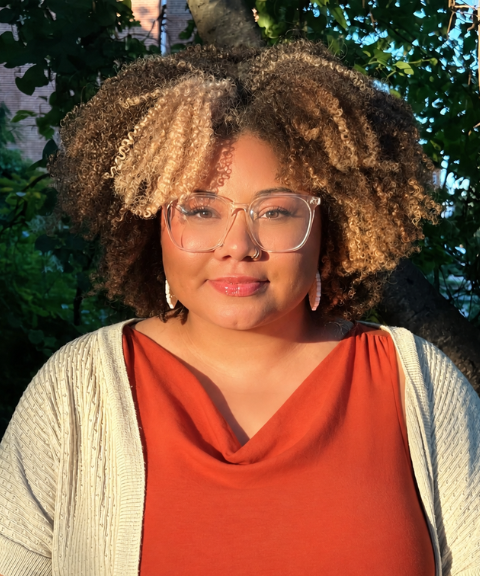
Yes, therapy can help with a cultural identity crisis by giving you space to understand who you are without feeling pressured to choose between different parts of yourself. For women of color, an identity crisis can involve family expectations, cultural traditions, race, gender, belonging, and the pressure to fit into different communities. Therapy offers a place to explore those experiences without treating your culture or background as something that needs to be fixed.
You might feel connected to your heritage but disconnected from certain expectations that come with it. Or maybe you’ve spent so much time adapting to different environments that you’re no longer sure which parts of yourself feel authentic. These feelings can be confusing and isolating, especially when the people around you don’t understand why you’re struggling.
Key Takeaways
- A cultural identity crisis can involve feeling disconnected from your heritage, community, or sense of self.
- Women of color may experience conflicting expectations around family, culture, race, and personal independence.
- Code-switching and constantly adjusting how you present yourself can become emotionally exhausting.
- Cultural identity can evolve without requiring you to abandon your roots.
- Culturally affirming therapy can help you explore identity, strengthen boundaries, and build confidence in your choices.
Table of Contents
- Why do I feel like I don’t fully belong in either of my cultures?
- How do I separate what I actually want from what my family or culture expects of me?
- Why do I feel guilty when I make choices that go against cultural expectations?
- Can constantly code-switching or changing parts of myself affect my mental health?
- How can I embrace my cultural identity without feeling boxed in by it?
- Frequently Asked Questions
Why Do I Feel Like I Don’t Fully Belong in Either of My Cultures?
Feeling like you don’t fully belong in either of your cultures can happen when different communities have different expectations about who you should be. You may feel too American in one setting, not connected enough to your heritage in another, or constantly aware that some part of your identity makes you stand out. Over time, trying to meet everyone else’s definition of belonging can leave you questioning where you fit.
For women of color who grew up navigating multiple cultures, belonging may have always felt conditional. Perhaps your family emphasized certain traditions, values, or ways of behaving, while school, work, and friendships introduced completely different expectations. You learned how to move between those environments, but that doesn’t necessarily mean you felt fully accepted in either one.
Sometimes a cultural identity crisis becomes more noticeable during adulthood. Moving away from home, entering a new relationship, building a career, or becoming a parent can bring questions about identity to the surface. You may begin wondering which traditions you want to preserve and which expectations no longer reflect the person you’re becoming.
Culturally affirming therapy can help you explore those questions without requiring you to prove that you belong anywhere. Rather than measuring your identity against someone else’s standards, you can begin defining what cultural connection means to you.
How Do I Separate What I Actually Want From What My Family or Culture Expects of Me?
Separating your own desires from cultural or family expectations starts with recognizing which choices feel personally meaningful and which are driven primarily by obligation. That distinction can be difficult when you’ve grown up believing that being a good daughter, partner, or community member means putting other people’s needs ahead of your own.
Maybe your family has strong opinions about your career, relationships, religion, or how you should raise your children. You may genuinely value their guidance while also wanting something different for yourself. Both feelings can exist at the same time, even when they seem contradictory.
An identity crisis can develop when your personal goals begin conflicting with the roles you’ve been expected to fulfill. You might find yourself making decisions that look successful or responsible from the outside but leave you feeling disconnected from your own happiness.
In therapy, you can begin exploring questions that help clarify your values. What would you choose if disappointing someone wasn’t part of the equation? Which traditions bring you comfort and connection, and which expectations feel restrictive?
The goal isn’t to convince you to reject your family’s beliefs or cultural traditions. It’s to help you recognize where your own values fit within those relationships and make decisions that reflect who you are.
Why Do I Feel Guilty When I Make Choices That Go Against Cultural Expectations?
Guilt can arise when making an independent choice feels like disappointing your family, rejecting your upbringing, or turning away from the community that shaped you. For some women of color, cultural expectations are closely connected to loyalty, respect, sacrifice, and responsibility toward others.
You may have grown up hearing that family comes first, that certain subjects should remain private, or that your decisions reflect on more than just yourself. These messages can carry genuine meaning and love, but they may also make personal independence feel uncomfortable.
For example, choosing a different career, setting limits with relatives, or deciding not to follow a family tradition might leave you feeling selfish, even when your decision is thoughtful and necessary. You may understand intellectually that you’re allowed to make your own choices while still feeling emotionally responsible for everyone else’s reactions.
Therapy can help you understand where that guilt comes from and whether it reflects your values or a fear of disappointing others. You can learn to acknowledge your family’s feelings without automatically making those feelings your responsibility.
Honoring your culture doesn’t mean you have to agree with every expectation associated with it. You can appreciate what your family has given you while allowing your own life to take a different direction.
Can Constantly Code-Switching or Changing Parts of Myself Affect My Mental Health?
Constantly code-switching or adjusting how you present yourself can affect your emotional well-being when it leaves you feeling pressured to monitor your behavior, language, appearance, or personality. For women of color, those adjustments may happen at work, in social settings, within relationships, or even among different cultural communities.
You might change how you speak during a meeting, avoid discussing certain experiences with coworkers, or downplay parts of your background to avoid being misunderstood. In other situations, you may feel pressure to demonstrate that you’re connected enough to your own culture.
Code-switching isn’t always harmful. It can be a practical communication skill, a form of cultural fluency, or a way to navigate different social environments. The emotional strain often comes when adapting feels less like a choice and more like a requirement for acceptance, safety, or professional success.
A study of 310 Black women attending predominantly White institutions found that greater shifting, or changing aspects of oneself across racial and social environments, was significantly associated with lower emotional and psychological well-being. The study also found that messages emphasizing racial pride and empowerment were associated with less shifting, while messages reflecting internalized racial oppression were associated with more.
These findings help illustrate why constantly adjusting your identity can become emotionally demanding. When you spend so much energy considering how others perceive you, it may become harder to recognize what you actually feel, need, or want.
Through therapy for women of color, Melanated Women’s Health offers space to explore the emotional impact of cultural expectations, discrimination, and the pressure to adapt. Culturally affirming care can help you identify where you feel comfortable being yourself and where you may need stronger boundaries or additional support.
How Can I Embrace My Cultural Identity Without Feeling Boxed In by It?
Embracing your cultural identity without feeling restricted by it means allowing yourself to decide what your heritage, experiences, and values mean in your own life. Your identity can include traditions you cherish, beliefs you’ve reconsidered, and new experiences that continue shaping your perspective.
You don’t have to participate in every cultural tradition to feel connected to your background. You also don’t have to minimize your heritage to create a life that feels personally fulfilling. Cultural identity isn’t a test you pass by meeting someone else’s expectations.
For some women, reconnecting with their culture might involve learning more about family history, language, food, music, or community traditions. For others, it may mean examining painful experiences within their community and deciding how to maintain meaningful connections without repeating unhealthy patterns.
Multicultural counseling can help you explore these experiences while recognizing the influence of race, gender, family relationships, and social expectations. Instead of asking you to choose one version of yourself, a culturally responsive therapist can help you understand how different parts of your identity fit together.
You may discover your sense of belonging becomes stronger when you stop trying to fit into a narrow definition of who you’re supposed to be. Your cultural identity can remain an important part of your life while leaving room for growth, independence, and change.
Frequently Asked Questions
Is It Normal to Question My Identity as an Adult?
Yes, questioning your identity as an adult is normal, especially during major life changes or periods of personal growth. Your understanding of your cultural background, relationships, and values may shift as you gain new experiences. An identity crisis doesn’t necessarily mean something is wrong; it may mean you’re reconsidering what feels authentic to you.
How Do I Figure Out Who I Am Outside of Other People’s Expectations?
Understanding who you are outside of other people’s expectations begins with paying attention to your own values, interests, and emotional needs. Notice which decisions leave you feeling fulfilled and which ones are primarily motivated by fear of disappointing others. Therapy can help you explore those patterns and build confidence in making choices that feel right for you.
Can Identity Struggles Contribute to Anxiety or Depression?
Yes, ongoing identity struggles can contribute to feelings of anxiety, sadness, isolation, or low self-esteem, particularly when you feel pressured to hide parts of yourself. The emotional strain of navigating conflicting cultural expectations may affect your relationships and daily well-being. A therapist can help you understand those experiences and identify support that fits your needs.
How Can I Set Boundaries With Family Without Feeling Like I’m Rejecting My Culture?
Setting boundaries with family doesn’t mean rejecting your culture or the relationships that matter to you. Boundaries help you communicate your needs while preserving respect and connection where possible. You can honor your family’s values while recognizing that your choices, emotional well-being, and personal limits also deserve consideration.
What Does It Mean to Have a Healthy Sense of Identity?
A healthy sense of identity means having a growing understanding of your values, beliefs, relationships, and the experiences that shape who you are. It doesn’t require complete certainty or a fixed definition of yourself. You can feel connected to your cultural background while remaining open to new perspectives and personal growth.
About Melanated Women’s Health
Melanated Women’s Health is a Black-owned, BIPOC-led therapy practice in Philadelphia offering culturally affirming, trauma-informed, and anti-oppressive mental health services in person in Philadelphia and online throughout Pennsylvania. Founded by Nicola Pierre-Smith, LPC, the practice supports Black women, women of color, LGBTQIA+ individuals, immigrants, and people navigating marginalization, with services addressing trauma, PTSD, anxiety, depression, and EMDR therapy. Melanated Women’s Health is in-network with Aetna, Highmark, Blue Cross Blue Shield PPO, Anthem, and the Federal Employee Program.
If you’re tired of feeling like you have to choose which parts of yourself get to take up space, Melanated Women’s Health can help you explore your identity with care that sees the whole you. Get started with culturally affirming therapy that honors every part of who you are.
Meet Ona Grant
Ona Grant is a trauma-informed therapist with a person-centered and solution based approach to therapy. Ona’s aim is to help you through challenges, support growth, manage life changes, and better understand yourself.
As a Black queer therapist who is also navigating chronic illness, Ona understands how challenging seeking help from health care systems can be with multiple marginalized identities. She has helped clients handle systems that try to keep them out, while building community and support systems. Ona is passionate about helping you improve your self advocacy skills to feel seen and understood in your daily life.
Ona utilizes different modalities, including Cognitive Behavioral Therapy (CBT), Family Systems, and Psychodynamic approaches, to create individualized treatment for each client. She believes in collaboration with clients to create the best outcomes for change.