If you’ve been carrying something heavy for a long time, whether that’s trauma, anxiety, grief, or experiences that never got to be processed, EMDR therapy might be one of the most effective tools available to you. It works differently from traditional talk therapy, it works differently in the body, and it has a strong research base behind it.
Here’s what it actually is and what you should know before deciding if it’s right for you.
TL;DR
- EMDR (Eye Movement Desensitization and Reprocessing) is a structured, evidence-based therapy that helps the brain process traumatic or distressing memories that haven’t been fully integrated.
- Sessions involve bilateral stimulation, most commonly eye movements, while you hold a target memory in mind. This helps the brain do what it couldn’t do at the time of the original experience.
- EMDR is not right for everyone, and some presentations require different support first.
- Emotional responses during sessions, including crying, are normal and often a sign the processing is working.
What is EMDR therapy?
EMDR stands for Eye Movement Desensitization and Reprocessing. Developed by psychologist Francine Shapiro in the late 1980s, it is now one of the most researched treatments for trauma and PTSD, recommended by the World Health Organization, the American Psychological Association, and the Department of Veterans Affairs.
The core idea is that traumatic experiences sometimes don’t get processed the way ordinary memories do. Instead of being integrated and filed away, they get stuck, carrying the same emotional intensity, physical sensations, and distorted beliefs they held at the time. When something in the present touches that memory, the nervous system responds as though the threat is still happening.
EMDR works by activating the stuck memory while simultaneously engaging the brain’s natural processing system through bilateral stimulation, typically guided eye movements, taps, or tones alternating between the left and right sides of the body.
This combination appears to allow the brain to do what it couldn’t do at the time: process, integrate, and reduce the emotional charge of the memory.
What happens during EMDR therapy?
EMDR is structured into eight phases, and it doesn’t begin with trauma processing. The first sessions focus on history-taking, building the therapeutic relationship, and developing stabilization skills before any traumatic material is approached.
The early phases involve your therapist getting to know your history, identifying target memories, and teaching you grounding and containment techniques. This foundation matters. A well-trained therapist will not rush it.
The active processing phases involve identifying a specific memory to work on, including the image, the negative belief about yourself connected to it, where you feel it in your body, and the positive belief you’d like to hold instead.
Your therapist then guides sets of bilateral stimulation, typically following their fingers with your eyes or using handheld tappers, while you hold the memory in mind.
You are not asked to narrate the memory in detail. You hold it internally while the bilateral stimulation works. Many people find this less activating than traditional trauma processing for exactly that reason. Final phases focus on closing each session safely and reviewing progress, with every session ending in a grounded, stable place.
Who is not a good candidate for EMDR therapy?
EMDR is not the right starting point for everyone.
People in active unsafe or abusive situations are generally not candidates for trauma processing until they are in a more stable environment.
People with significant dissociative disorders require a highly specialized, modified approach and should only work with a therapist specifically trained in dissociation. People in acute crisis, including active psychosis, severe suicidal ideation, or unstable substance use, typically need stabilization before trauma processing is appropriate.
People without sufficient emotional regulation skills may also not be ready yet. If you don’t have reliable grounding strategies, EMDR can open more than can be safely contained. This is precisely why the preparation phases exist, and why a thorough therapist spends real time on them.
None of this means EMDR is permanently off the table. It often means other important work comes first.
Why is there controversy around EMDR?
The controversy around EMDR is primarily about mechanism: why it works, specifically whether the bilateral eye movements are the active ingredient or whether the benefits come from supported exposure to traumatic memory, which would make EMDR a form of exposure therapy with an add-on that may or may not be essential.
Several studies have found that EMDR without eye movements produces similar outcomes, raising the question of whether the bilateral stimulation component is necessary. Proponents argue the eye movements accelerate processing. Critics argue the specific mechanism remains insufficiently proven.
What is not seriously disputed is that EMDR produces real, meaningful clinical outcomes.
The debate is about why it works, not whether it does. A second smaller controversy involves undertrained practitioners, because EMDR became popular quickly and some offer it without adequate preparation, which can produce poor outcomes. This is an argument for choosing a thoroughly certified therapist, not an argument against EMDR itself.
Will I cry during EMDR?
You might, and that is completely okay.
EMDR accesses emotional material that has often been stored and suppressed for a long time. When that material begins to move, it frequently moves through the body as emotion, sometimes tears, sometimes anger, sometimes physical sensation, sometimes unexpected relief. None of these mean something has gone wrong. They often mean the processing is working.
EMDR doesn’t require you to perform distress in any particular way. Some sessions are quiet and internal. Some are more visibly emotional. Your therapist is trained to support whatever arises and to close every session with you in a regulated, grounded place.
If you’re nervous about losing control of your emotions, name that with your therapist. Part of the preparation work is building exactly the skills that make emotional responses manageable rather than overwhelming.
EMDR Therapy at Melanated Women’s Health
At Melanated Women’s Health, EMDR is offered within a culturally affirming, anti-oppressive framework. That matters, because trauma in the BIPOC community doesn’t exist in a vacuum. Racial trauma, intergenerational trauma, and the cumulative weight of navigating systems not built with you in mind belong in the room, and our therapists understand that context.
EMDR here is not a protocol applied without consideration of who you are. It is offered within a therapeutic relationship built on genuine cultural understanding and care.
If you’re in Pennsylvania and wondering whether EMDR therapy is right for you, we’d welcome the conversation.
FAQ
What happens during EMDR therapy? EMDR follows eight structured phases. Early sessions build history, relationship, and stabilization skills. Active processing involves holding a target memory in mind during sets of bilateral stimulation, typically guided eye movements. You are not required to narrate the memory in detail. Every session closes with grounding to ensure you leave in a stable place.
Who is not a good candidate for EMDR therapy? People in active unsafe situations, those with significant untreated dissociative disorders, people in acute crisis, and those without sufficient emotional regulation skills are typically not ready for EMDR until foundational work is in place. It often means other support comes first, not that EMDR is permanently unavailable.
Why is there controversy around EMDR? The debate is about mechanism, specifically whether the bilateral eye movements are the essential ingredient or whether outcomes come from supported exposure to traumatic memory. What is not disputed is that EMDR produces real clinical benefits. The controversy is about why it works, not whether it does.
Will I cry during EMDR? You might, and that’s okay. Emotional responses during EMDR are common and often indicate that processing is happening. Your therapist is trained to support whatever arises and to close sessions with you grounded and regulated.
About Melanated Women’s Health
Melanated Women’s Health is a Black-owned, BIPOC-led therapy practice in Philadelphia offering culturally affirming and anti-oppressive mental health services online across Pennsylvania and in-person in Philadelphia. Founded by Nicola Pierre-Smith, LPC, the practice specializes in trauma, PTSD, anxiety, depression, and EMDR therapy for Black women, women of color, LGBTQIA+ individuals, immigrants, and anyone who has been marginalized because of their identity.
In-network with Aetna, Highmark, Blue Cross Blue Shield PPO, Anthem, and the Federal Employee Program.
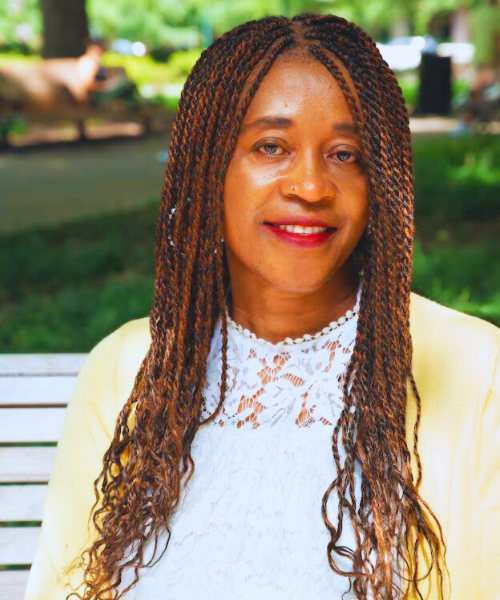
Meet Florence Mungo, LPC
Florence Mungo is an African-American Licensed Professional Counselor and EMDR therapist in Philadelphia, with extensive experience providing trauma therapy to young people and adults in community mental health settings.
If you are frequently worried or anxious, often feel overwhelmed and stressed, or you are struggling with adjustment to a life event such as grief and loss, career, or parenting, Florence is a good fit for your therapy needs. Florence is also a French speaking Therapist.
As a EMDR certified therapist in Philadelphia, Florence provides EMDR therapy for many types of traumas that occur in childhood and adulthood, such as: the sudden or unexpected death of a loved one, bullying, retaliation in the workplace, parental neglect, infidelity, intimate partner violence, witnessing of violence and more. She has a Masters of Arts in Counseling Psychology from Arcadia University as well as certifications in Child and Family therapy.