You can feel anxious even when things are going well because your mind and body don’t automatically stop preparing for problems just because life feels okay right now. For Black women, anxiety can also be connected to experiences of racism, discrimination, family expectations, and the pressure to stay strong while managing everyone else’s needs. When you’ve spent years anticipating what could go wrong, feeling safe enough to relax may take more than reminding yourself that everything is fine.
Maybe your career is going well, your relationships feel stable, and nothing particularly stressful is happening. Yet you’re still waiting for something to fall apart. You might even feel guilty for being anxious when you have so much to be grateful for, which only adds another layer of pressure to what you’re already experiencing.
Key Takeaways
- Anxiety can appear even when life feels stable and there is no immediate problem.
- Past stress, uncertainty, and discrimination can make it difficult to relax.
- Black women may experience additional pressure to remain strong, prepared, and emotionally available.
- High functioning anxiety can be difficult to recognize because everyday responsibilities still get done.
- Overthinking and physical tension can continue even when you feel mentally calm.
- Culturally affirming therapy can help you understand anxiety and develop healthier ways to respond.
Table of Contents
- Why do I feel like something bad is about to happen when everything is fine?
- Can racism and discrimination contribute to my anxiety?
- Why do I feel guilty or uncomfortable when I finally get a chance to rest?
- How do I stop overthinking when there isn’t actually a problem to solve?
- How can I tell the difference between intuition and anxiety?
- Frequently Asked Questions
Why Do I Feel Like Something Bad Is About to Happen When Everything Is Fine?
Feeling like something bad is about to happen when everything is fine can be a sign that your mind has become accustomed to anticipating problems. If you’ve spent a long time managing uncertainty, criticism, conflict, or stressful situations, you may find yourself constantly looking for the next thing that needs your attention.
Sometimes anxiety shows up as a vague feeling that something isn’t right. You might wake up with a tight feeling in your stomach, replay conversations that went perfectly well, or worry about situations that haven’t happened. Even when you can’t identify a specific problem, the feeling of uneasiness can be difficult to ignore.
For Black women who have spent years being responsible, dependable, and prepared for whatever comes next, staying alert may feel like second nature. You might be the person everyone relies on, the one who keeps things organized, or the one who rarely lets anyone see her struggling. Being capable doesn’t mean you’re not carrying stress.
This experience is sometimes described as high-functioning anxiety, an informal term rather than a clinical diagnosis. You may appear confident and successful while privately managing persistent worry, self-doubt, or the feeling that you can never fully let your guard down. You may appear confident and successful while privately dealing with persistent worry, self-doubt, or the feeling that you can never fully let your guard down.
Persistent, difficult-to-control worry can also occur with generalized anxiety disorder, although feeling anxious for no obvious reason doesn’t automatically mean you have a mental health condition. What matters is how often anxiety appears, how difficult it is to manage, and whether it’s affecting your well-being.
Can Racism and Discrimination Contribute to My Anxiety?
Yes, racism and discrimination can contribute to anxiety by creating ongoing stress, uncertainty, and pressure to anticipate how others might treat you. For Black women, these experiences can affect everyday situations, including professional relationships, healthcare appointments, social interactions, and environments where being misunderstood or judged feels like a real possibility.
You may find yourself carefully choosing your words at work, thinking twice before expressing frustration, or wondering whether a negative interaction was influenced by racial bias. Even when nothing openly discriminatory happens, the possibility of being treated unfairly can make certain environments emotionally exhausting.
A peer-reviewed study of 3,570 African American adults found that Black women who experienced more frequent racial discrimination had significantly greater odds of experiencing an anxiety disorder, both within the past year and over their lifetime. These findings highlight how the ongoing stress of navigating racism and discrimination can affect mental health, even when other areas of life seem to be going well.
A more recent study involving 128 Black women found that more frequent experiences of discrimination predicted higher anxiety symptoms. These findings reinforce why conversations about anxiety among Black women need to consider the environments and experiences that shape emotional well-being.
This doesn’t mean every Black woman experiences anxiety in the same way or that discrimination explains every anxious feeling. It means your experiences deserve to be understood within the larger context of your life rather than treated as isolated symptoms.
At Melanated Women’s Health, anxiety therapy offers culturally affirming support that recognizes how identity, discrimination, personal history, and daily responsibilities can influence mental health. You deserve space to talk about these experiences without having to explain why they matter or convince someone that they’re real.
Why Do I Feel Guilty or Uncomfortable When I Finally Get a Chance to Rest?
Feeling guilty or uncomfortable when you finally get a chance to rest can happen when you’ve learned to associate being productive with being responsible, valuable, or successful. When your days are filled with meeting expectations and caring for others, doing nothing may feel unfamiliar rather than relaxing.
Maybe you finally have a free afternoon, but instead of enjoying it, you start thinking about the laundry, unanswered messages, or everything you should be doing. You might sit down to watch a movie and find yourself mentally reviewing tomorrow’s responsibilities. The moment you stop moving, your thoughts seem to get louder.
For some Black women, these feelings are connected to expectations around strength, independence, and being the person who can handle everything. Those expectations may come from family, community, work, personal experiences, or the pressure to prove yourself in environments where you haven’t always felt supported.
There can also be a deeper fear underneath the need to stay busy. If you’ve experienced periods when things felt unpredictable, being prepared may have helped you feel more secure. Resting can feel uncomfortable because you’re temporarily stepping away from the habits that once helped you manage uncertainty.
Learning to rest doesn’t require you to stop caring about your responsibilities. It means recognizing that your needs matter even when nobody is asking anything of you.
Therapy can help you explore the beliefs that make rest feel undeserved and practice allowing yourself to slow down without immediately filling the silence. You don’t have to earn every moment of peace by exhausting yourself first.
How Do I Stop Overthinking When There Isn’t Actually a Problem to Solve?
You can begin reducing overthinking by learning to recognize when your mind is trying to solve a real problem and when it’s repeatedly searching for reassurance about something uncertain. Anxiety often makes ordinary situations feel urgent, even when there’s no immediate decision to make or action to take.
You might replay a conversation because someone seemed quieter than usual, worry about a mistake you haven’t made, or imagine several possible outcomes to a situation that’s still unfolding. Your thoughts may feel productive because you’re trying to prepare yourself, but the constant mental activity can leave you exhausted.
One helpful place to start is asking yourself whether the concern requires action right now. If there’s something practical you can do, identify one reasonable next step. If you’re imagining possibilities that haven’t happened, practice noticing the uncertainty without trying to resolve every possible outcome.
It can also help to pay attention to what happens physically when your thoughts start racing. Your shoulders may tighten, your breathing may become shallow, or you may feel restless without realizing why. Taking a short walk, slowing your breathing, or stepping away from a stressful environment can create a little space between the anxious feeling and your response.
For Black women who are used to anticipating other people’s needs or carefully navigating social expectations, overthinking may feel closely connected to being prepared. Therapy can help you distinguish between useful planning and the kind of worry that keeps you mentally occupied long after a situation has passed.
The goal isn’t to force yourself to stop thinking or pretend everything will work out perfectly. It’s to become more comfortable recognizing what deserves your attention and what doesn’t need to be solved today.
How Can I Tell the Difference Between Intuition and Anxiety?
The difference between intuition and anxiety often becomes clearer when you look at what you’re noticing, how you’re responding, and whether your thoughts are helping you understand a situation or making you feel increasingly overwhelmed. Intuition may draw your attention to something important, while anxiety often involves repeated worry, imagined outcomes, and difficulty tolerating uncertainty.
For example, you might notice that someone repeatedly dismisses your concerns or behaves differently toward you than toward others. Those observations deserve attention, particularly if you’ve experienced discrimination, unhealthy relationships, or situations where your boundaries weren’t respected.
Anxiety may become part of the picture when your thoughts move beyond what you’ve observed and begin cycling through everything that could possibly go wrong. You might find yourself searching for reassurance, replaying details, or feeling unable to make a decision because you’re afraid of choosing incorrectly.
There isn’t a perfect emotional test that separates intuition from anxiety. A genuine concern can create anxiety, and an anxious feeling doesn’t necessarily mean your concern is unfounded. Both can exist at the same time.
Instead of immediately dismissing your feelings or assuming they’re always accurate, try asking what you know for certain, what you’re interpreting, and what information might help you respond. This approach allows you to take your experiences seriously without letting every anxious thought determine your next move.
Culturally affirming therapy can be particularly valuable when you’re trying to understand anxiety alongside experiences of racism, discrimination, or repeated invalidation. A therapist can help you explore your concerns without automatically assuming that your reactions are irrational or that your environment has nothing to do with how you feel.
Frequently Asked Questions
Why Is It So Hard for Me to Relax?
Relaxing can be difficult when you’re accustomed to staying busy, anticipating problems, or feeling responsible for other people’s needs. Even when you have time to yourself, your mind may continue looking for something that needs attention. Learning to recognize these patterns can help you become more comfortable with rest instead of treating every quiet moment as an opportunity to get something done.
Can Anxiety Show Up Physically Even When I Don’t Feel Stressed?
Yes, anxiety can cause physical symptoms even when you don’t consciously feel worried or overwhelmed. You might notice muscle tension, restlessness, stomach discomfort, a racing heart, or difficulty sleeping. These sensations can have different causes, so persistent or unfamiliar symptoms deserve attention rather than automatically being attributed to anxiety.
What Can I Do When My Thoughts Won’t Slow Down?
When your thoughts won’t slow down, try shifting your attention toward something manageable in the present moment. Taking a walk, writing down your concerns, or practicing slow breathing may help interrupt the cycle of overthinking. You can also ask yourself whether there’s something you need to address now or whether your mind is trying to solve a problem that hasn’t happened.
When Should I Consider Therapy for Anxiety?
Consider therapy when anxiety becomes difficult to manage, interferes with sleep, affects relationships, or makes it harder to enjoy everyday life. You don’t need to experience panic attacks or receive a diagnosis before asking for help. A culturally affirming therapist can help you understand how personal experiences, identity, and ongoing stress may contribute to your anxiety.
Can Anxiety Get Better Without Completely Going Away?
Yes, anxiety can become more manageable even if you occasionally experience worry, nervousness, or uncertainty. The goal of therapy isn’t necessarily to eliminate every anxious feeling but to help you respond without becoming overwhelmed. Over time, you may feel more confident handling uncertainty and enjoying moments of peace without constantly anticipating what could go wrong.
About Melanated Women’s Health
Melanated Women’s Health is a Black-owned, BIPOC-led therapy practice in Philadelphia offering culturally affirming, trauma-informed, and anti-oppressive mental health services online across Pennsylvania and in Philadelphia. Founded by Nicola Pierre-Smith, LPC, the practice specializes in trauma, PTSD, anxiety, depression, and EMDR therapy for Black women, women of color, LGBTQIA+ individuals, immigrants, and people who have experienced marginalization because of their identity. Melanated Women’s Health is in-network with Aetna, Highmark, Blue Cross Blue Shield PPO, Anthem, and the Federal Employee Program.
If anxiety keeps showing up even when everything looks “fine,” Melanated Women’s Health can help you unpack what’s underneath it and find ways to feel safer in your own peace. Get started with culturally affirming therapy that helps you feel more grounded and supported.
Meet Brooke Scott, LSW
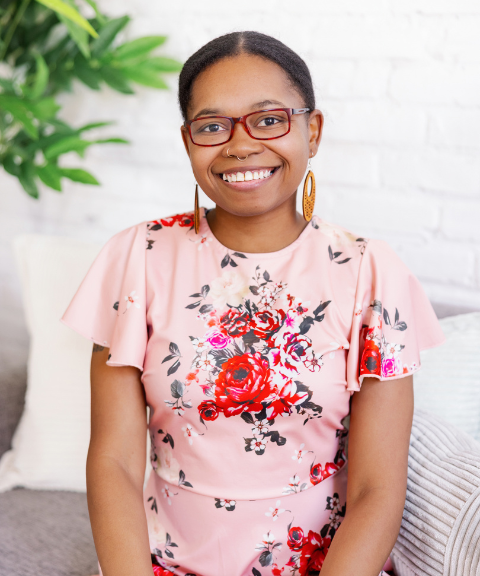
Brooke is a trauma therapist in Philadelphia who provides anxiety therapy for women and believes therapy is a space where clients can show up fully as themselves—without masks, judgment, or pressure to explain their existence. She is passionate about creating safe, affirming environments where people feel seen, heard, and deeply supported in their healing journey.
She specializes in supporting women of color and LGBTQ+ individuals who are struggling with anxiety, depression, relationship issues, and identity-related stress. If you’re feeling overwhelmed or disconnected from your body, Brooke is a good fit for you.
Her approach is client-centered, culturally competent, trauma-informed, and rooted in both compassion and curiosity. She uses evidence-based modalities like Cognitive Behavioral Therapy (CBT), Narrative Therapy, mindfulness practices, and Relational Therapy to help you gain clarity, set boundaries, process pain, and build emotional resilience.