

Find a Therapist Who Gets It
Looking for a Black Therapist? Find the right fit at Melanated Women’s Health. Serving New Jersey & Philadelphia.
Out of network? Ask about a Superbill.
Check my insurance →
Should I Work with a Black Therapist Near Me?
Finding a Black Therapist Who Sees the Full Picture
Finding the right therapist is about more than credentials or checking boxes on a directory. For many Black women, it also means finding someone who understands that your mental health doesn’t exist separately from your culture, family, relationships, identity, or experiences moving through the world as a Black woman.
Working with a Black therapist can offer a space where some things simply don’t require the same amount of explaining. You can talk about being the “strong one,” code-switching at work, complicated family expectations, beauty standards, racial stress, relationships, motherhood, or the pressure to keep it all together with someone who understands the cultural context those experiences can carry.
A shared identity isn’t the only thing that makes therapy effective, but feeling understood matters.
Get Started TodayHow Do I Know If I Need a Black Therapist?
When You’re Tired of Explaining the Context
Therapy is supposed to be a place where you can unpack what you’re carrying, not spend half the session explaining why something matters in the first place. Wanting a Black therapist doesn’t mean that only Black therapists can provide meaningful care. It simply means cultural understanding and shared identity may be an important part of what helps therapy feel right for you.

Sound familiar?
Select the ones that feel true for you right now.
You want to talk about what’s happening without constantly stopping to translate the nuances of your experience.
From workplace dynamics and code-switching to discrimination and racial stress, you want space to talk about race without questioning whether you’re “making it about race.”
Being capable doesn’t mean you aren’t exhausted, overwhelmed, anxious, grieving, or in need of care yourself.
Boundaries, relationships, caregiving, achievement, religion, motherhood, and generational expectations can all carry layers that deserve to be understood in context.
Feeling more comfortable with someone who shares part of your identity is reason enough.
0 of 5 selected
This isn’t a clinical assessment — just a starting point for reflection. You don’t need a certain number of “yeses” to deserve support.
Why Melanated Women’s Health
We Meet You Where You Are, While Honoring Where You Come From
We believe therapy should be a space where you feel empowered, not judged.
Culturally affirming & anti-oppressive
Therapy for Black, Indigenous, and People of Color, the LGBTQIA+ community, and anyone who has been marginalized because of their social identities.
Black-led since 2019
Founded by Nicola Pierre-Smith, LPC, to create a therapy space that is both inclusive and accessible for melanated individuals.
In person or online
Our Center City Philadelphia office is accessible by SEPTA and close to several parking garages. Prefer home? Online sessions are available.
Help with insurance
We’re in-network with some plans, will help verify your benefits, and can provide a Superbill for out-of-network reimbursement.
Meet Your Therapists
Find the Right Fit

Nicola Pierre-Smith, LPC
Founder & Owner
Culturally affirming trauma therapy using IFS-informed EMDR, plus support for workplace microaggressions, multicultural relationships, and reproductive justice concerns.
Learn more about Nicola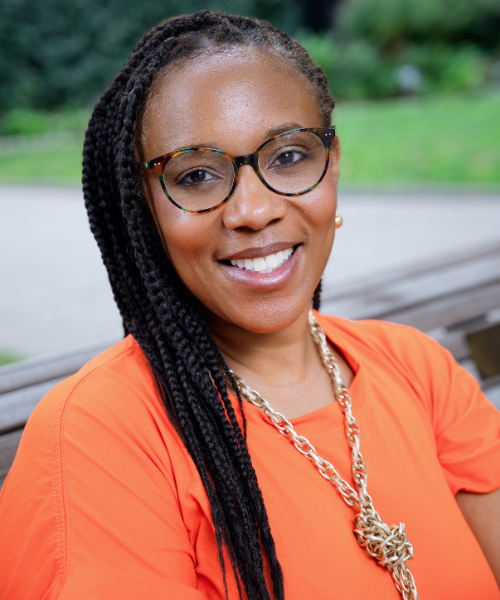
Stephanie Garvin, LPC
Therapist
Trauma-informed therapy for teens and adults navigating trauma, identity, grief, feeling “stuck,” and boundaries. Uses CBT, DBT, and EMDR.
Learn more about Stephanie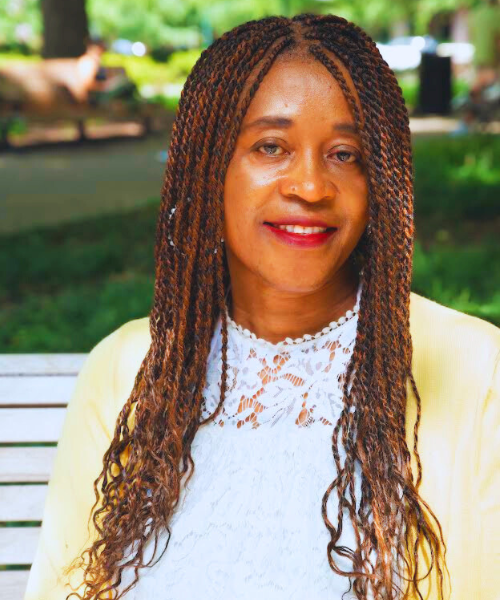
Florence Mungo, LPC
Therapist
Culturally sensitive, EMDR-informed trauma therapy for Black, Person of Color, and immigrant clients navigating stress, sleep struggles, life transitions, and “I’m not good enough” beliefs.
Learn more about Florence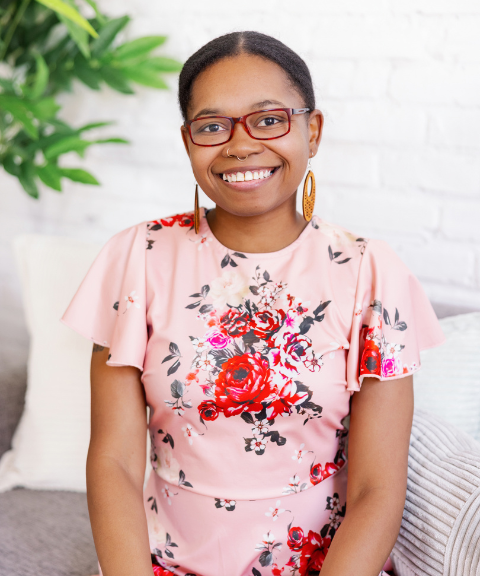
Brooke Scott, LSW
Therapist
A space to show up without masks or pressure to explain yourself. Supports women of color and LGBTQ+ clients with anxiety, depression, relationships, and identity-related stress.
Learn more about Brooke
Florence Kyomuhendo, LAPC
Therapist
A trauma-informed therapist who helps clients name and process emotions after trauma, with art therapy for those who prefer creative expression. Also supports depression, anxiety, grief, relationship conflict, and women’s issues, with a culturally informed perspective as a Ugandan immigrant.
Learn more about Florence
Jaimee Sheppard, LPC
Therapist
A trauma therapist who creates a safe, affirming, and honest space for healing from early attachment wounds, trauma, and substance use. Uses CBT, ACT, mindfulness, and somatic approaches, with certification in Prolonged Exposure therapy for PTSD.
Learn more about Jaimee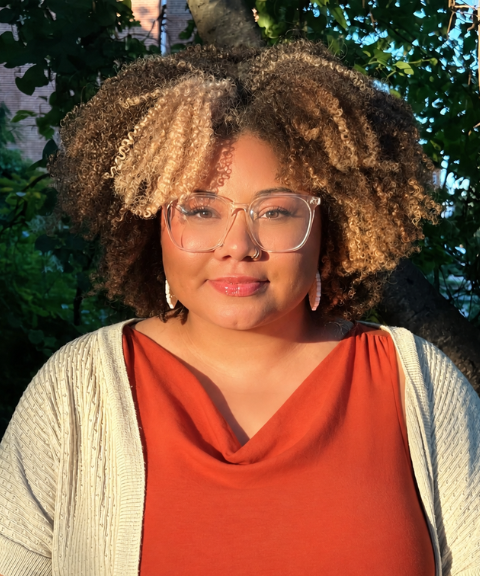
Ona Grant, LAPC
Therapist
A trauma-informed, person-centered therapist who helps clients manage life changes, build self-advocacy, and feel seen and understood. Supports trauma, anxiety, depression, ADHD, chronic illness or pain, and LGBTQIA+ identities.
Learn more about OnaThe Benefits of Working with a Black Therapist
Therapy Where Your Whole Self Can Show Up
Cultural nuances, family expectations, and societal stigmas often play a role in how mental health is perceived within Black communities. Working with a Black therapist can help bridge those gaps, with a relationship grounded in shared cultural understanding and values.
Cultural understanding
Your therapist is more familiar with African American values, traditions, and family dynamics.
Reduced stigma
Many Black therapists acknowledge and address the cultural stigmas surrounding mental health.
Tailored coping strategies
Therapy approaches consider cultural expectations, such as familial obligations.
Less explaining, more healing
Talk about race, code-switching, and the “strong Black woman” role without wondering if you’re “making it about race.”

What the Research and Data Say
Black adults who need mental health care receive it, so finding a provider you trust matters.
Source: NAMI; American Psychiatric Association, Mental Health Facts for African Americans.
of U.S. psychologists are Black, while Black Americans make up roughly 13% of the population.
Source: American Psychological Association, Psychology Workforce data.
studies in one major meta-analysis found a moderately strong preference for therapists who share a client’s racial or ethnic identity, strongest among African American participants.
Source: Cabral & Smith (2011), Journal of Counseling Psychology, 58(4), 537–554.
We think honesty matters: racial matching alone doesn’t guarantee better outcomes. The right fit still comes down to trust, clinical expertise, cultural responsiveness, and whether you feel like you can truly be yourself in the room.
How It Works
Get Started in 3 Simple Steps
Reach out
Fill out the short form below or call us at 215-720-1456. Tell us a little about what you’re looking for.Get matched
We’ll help match you with one of our melanated therapists, and verify your insurance benefits for plans we accept.Start therapy
Meet your therapist in person in Center City Philadelphia or online, with weekday and weekend appointments available.Get Started Today
Find Peace in Everyday Life With a Therapist Who Understands
Improve your mental wellbeing with help from qualified Black therapists & therapists of color. Fill out the form and we’ll be in touch to get you matched.

You Deserve to Be Understood
You Are Not Alone. Your Life Story Is Still Being Written.
Therapy where your whole self can show up is one conversation away.